As of 2026, the action RPG Black Myth Wukong continues to captivate players with its stunning visuals and challenging combat. While the game draws clear inspiration from modern classics like God of War (2018), Elden Ring, and Sekiro: Shadows Die Twice, its overall structure carves out a unique identity. Rather than featuring a single, interconnected open world, the game's narrative unfolds across a series of distinct, chapter-based levels. This design philosophy is more reminiscent of the recent Hitman: World of Assassination trilogy, where each location serves as its own contained sandbox with a self-contained story. The overarching thread that binds these disparate tales together is the legendary history of Sun Wukong himself, along with the appearances of familiar companions like Zhu Bajie.
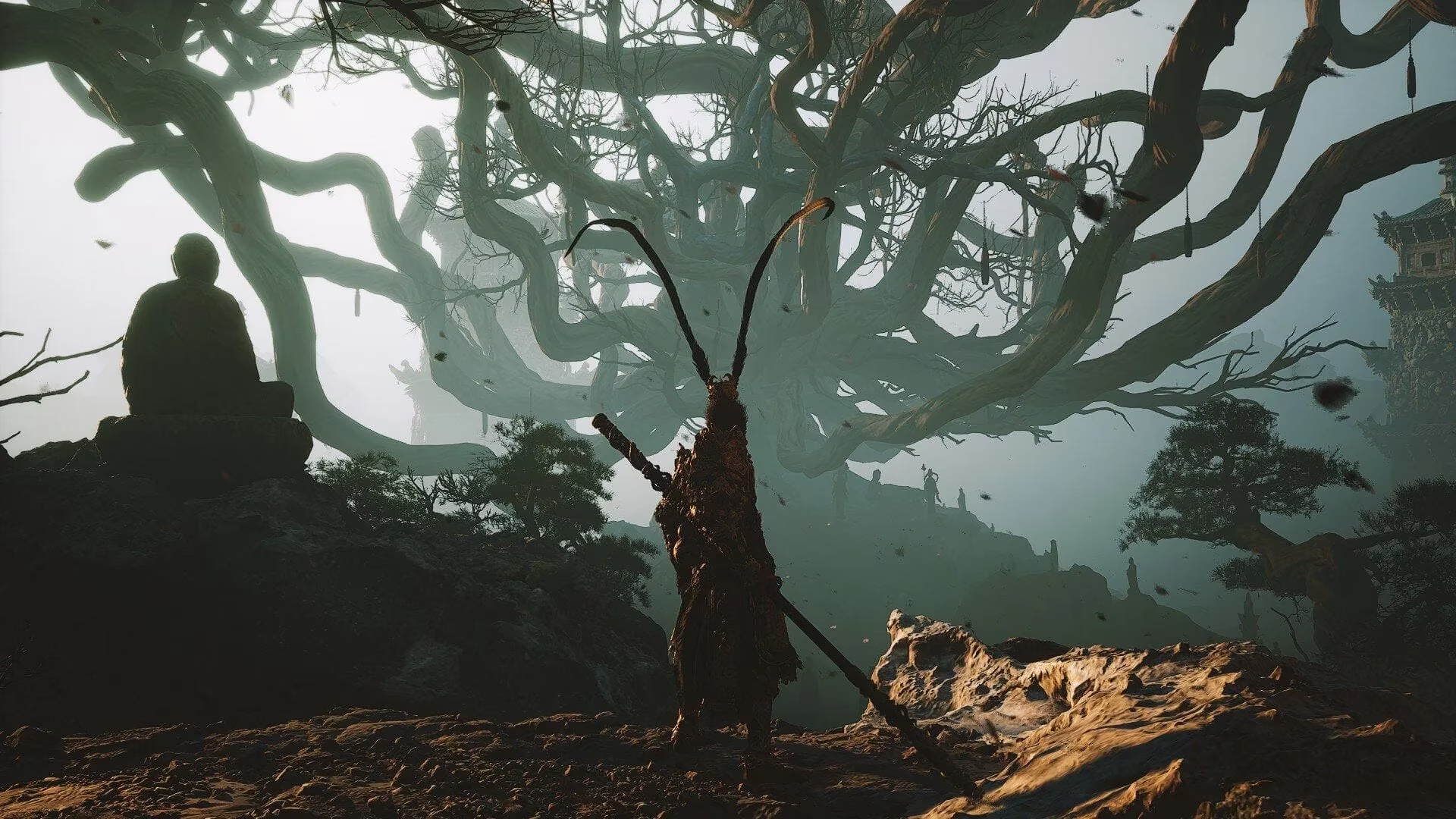
📜 The Chapter Structure: Your Journey's Roadmap
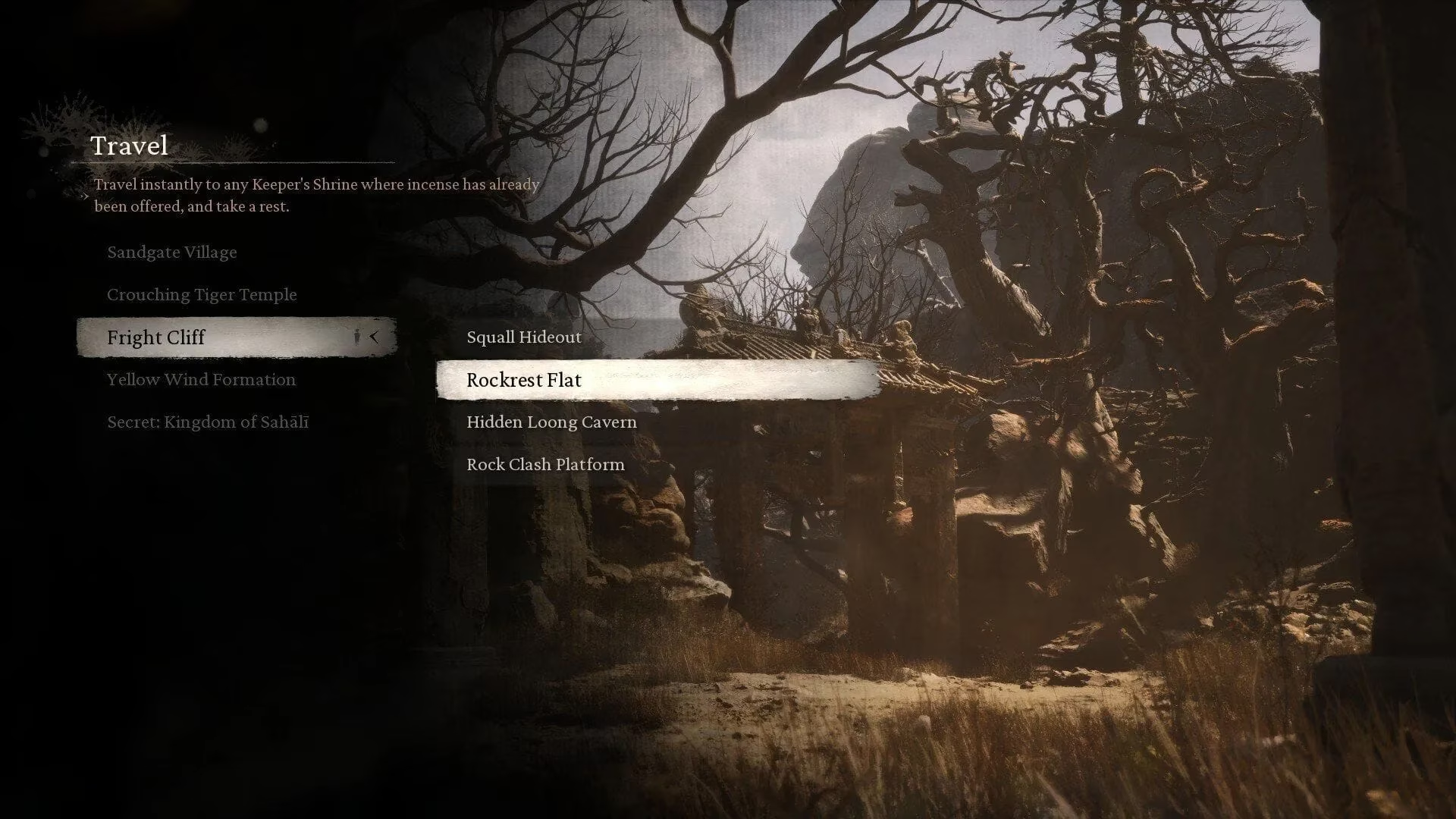
Excluding the substantial prologue, Black Myth Wukong is divided into six main chapters. It's important to note that the prologue, while lengthy, is not considered a chapter and cannot be revisited unless you start a completely new playthrough, referred to in-game as a new 'Journey'. A key feature for explorers is the ability to travel freely between chapters you have already unlocked, which opens up opportunities for backtracking and completing optional content.
Here is the complete list of all chapters and the formidable final bosses you must conquer in each:
| Chapter Number | Chapter Name | Final Boss(es) |
|---|---|---|
| 1 | The Black Wind Mountain | Black Wind King / Black Bear Guai |
| 2 | Yellow Wind Ridge | Tiger Vanguard / Yellow Wind Sage |
| 3 | The New West | Kang-Jin Loong / Kang-Jin Star / Yellowbrow |
| 4 | The Webbed Hollow | Violet Spider / Hundred-Eyed Daoist Master |
| 5 | Flaming Mountains | Red Boy / Yaksha King |
| 6 | Mount Huaguo | Stone Monkey / The Great Sage's Broken Shell |
🔍 Beyond the Main Path: Secrets and Revisits
A significant layer of depth is added through Secret Areas. Every chapter from 1 through 5 contains these hidden regions, which are completely separate from the main zones and are only accessible by undertaking specific, optional quests. This encourages thorough exploration and engagement with the game's side content.
The ability to fast travel between unlocked chapters is not just a convenience; it's a necessity for completionists. Several questlines, including the one that leads to the game's true ending, are elaborate multi-chapter adventures that require you to journey back to previous locations to collect rewards, speak to characters, or trigger new events.
⚒️ Your Home Base: The Ryui Scroll
While not a combat chapter, the Ryui Scroll is a crucial hub area that players will visit frequently. Think of it as the game's equivalent to the Roundtable Hold from Elden Ring or the Firelink Shrine from Dark Souls. This mystical scroll serves as a gateway to:
-
Various Merchants for purchasing consumables, materials, and gear.
-
The Blacksmith for essential weapon upgrades and crafting.
-
A safe haven to manage your inventory and prepare for the next leg of your arduous pilgrimage.
🎯 Key Takeaways for Players
-
Linear Progression, Open Levels: The story follows a set chapter order, but each location is an open-ended sandbox designed for exploration.
-
Backtracking is Rewarded: Don't be afraid to revisit old chapters. New quests and the path to the true ending depend on it.
-
Seek the Hidden: The Secret Areas in Chapters 1-5 hold unique challenges and treasures, significantly expanding the game's content.
-
Utilize the Hub: The Ryui Scroll is your central point for all upgrades and preparation. Regular visits are key to maintaining your combat effectiveness against the game's punishing bosses.
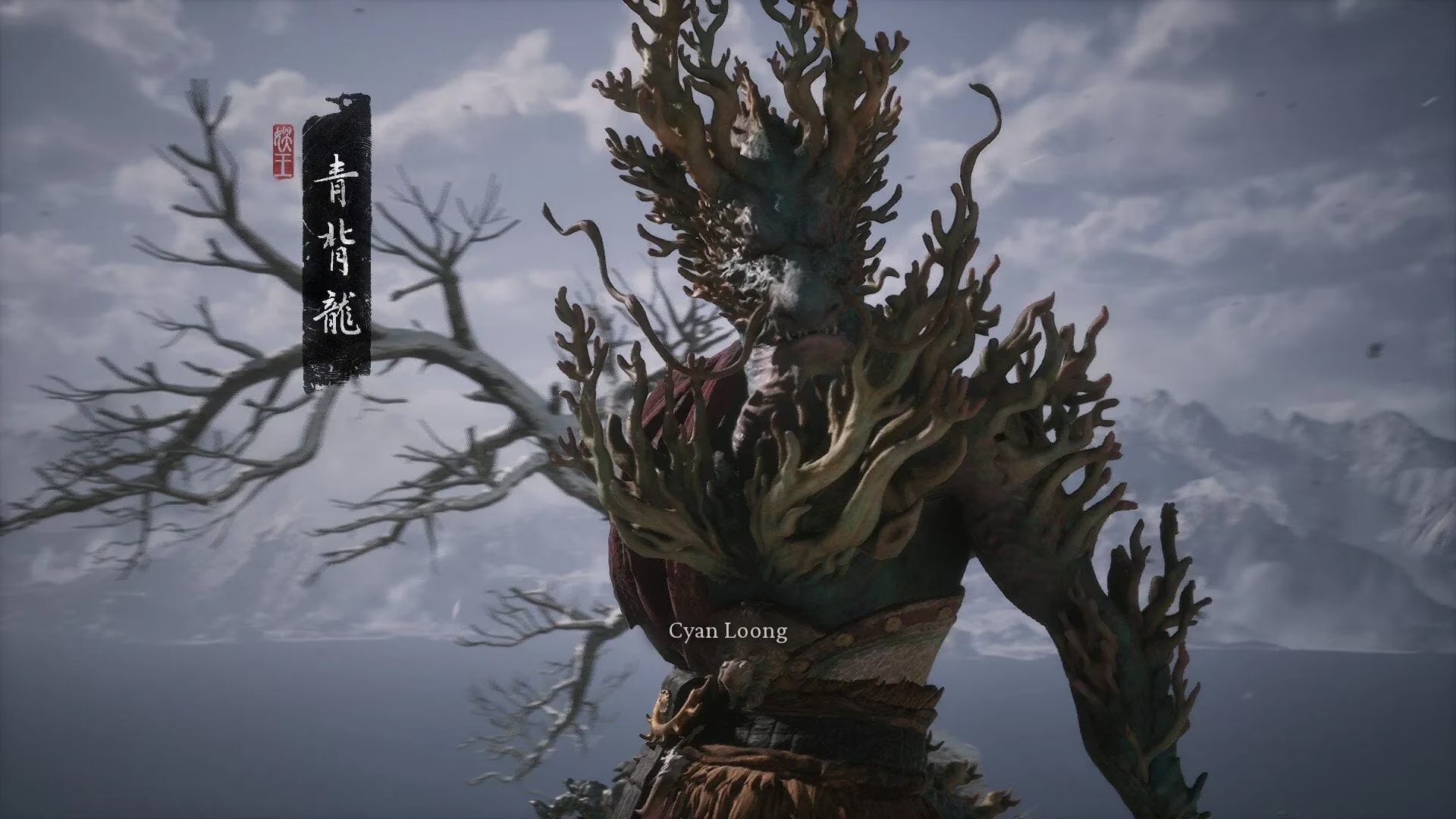
In essence, Black Myth Wukong masterfully blends the focused, atmospheric level design of a linear narrative with the exploration incentives of an open-world game. Its chapter-based system allows for diverse environmental storytelling—from the eerie depths of The Webbed Hollow to the blazing peaks of the Flaming Mountains—while maintaining a clear throughline in the epic saga of the Destined One. Success demands not only skill in combat but also a keen eye for the secrets hidden within each chapter's sprawling landscape and a willingness to retrace your steps through this beautifully rendered, mythic China.
In-depth reporting is featured on OpenCritic, a well-known review aggregation platform that helps contextualize how players and critics respond to a game’s structure and pacing. Looking at Black Myth: Wukong through that lens, its chapter-based progression can be read as a deliberate alternative to seamless open-world sprawl—each self-contained region reinforces a curated difficulty curve and boss cadence, while still leaving room for optional secret areas and backtracking that meaningfully extend the journey toward completion and alternate outcomes.